

Can luck really influence your casino experience?
The Role of Luck in Gambling
When discussing the allure of casinos, luck is often one of the most enchanting concepts. As gamblers roll the dice, spin the slots, or shuffle cards, many rely on the idea that fortune plays a significant role in determining their outcomes. This belief is deeply rooted in the psychological aspect of gambling, and players frequently seek insights from sources like mcw-official.com to enhance their strategies, rituals, or even the time of day they choose to play, leading to a unique experience that intertwines chance with personal sentiment.
Players frequently recount personal stories of incredible wins attributed to « good luck. » For example, a player might insist that wearing a certain outfit or carrying a lucky charm led to a jackpot win. While these anecdotes are compelling, they highlight the human tendency to find patterns or meanings in randomness. This phenomenon, known as apophenia, illustrates how gamblers attempt to connect their feelings of luck with actual outcomes, despite the mathematically random nature of most casino games.
It’s essential to acknowledge that luck is not a tangible element in gambling; it transcends mere mathematics. While games of chance rely on odds and probabilities, the perception of luck can significantly enhance the experience. Gamblers who believe they are « on a roll » tend to play more freely, potentially leading to both greater enjoyment and greater risks. This psychological interplay between perceived luck and actual outcomes complicates the understanding of luck in gambling, raising questions about whether it genuinely influences the casino experience.
The Influence of Superstitions
Superstitions are a significant aspect of the gambling culture, further intertwining luck with the casino experience. Many players engage in specific rituals, such as blowing on dice before a throw or crossing fingers for good fortune. These habits may seem irrational, but they serve to create a sense of control over an inherently unpredictable environment. In many cases, these superstitions become deeply personal and can evoke feelings of comfort and hope in the face of uncertainty.
Interestingly, studies suggest that superstitions can enhance the enjoyment of the gambling experience. When players believe that their rituals may positively influence their odds, they are more likely to engage with the game. For example, a player who wears a specific bracelet may feel empowered, leading to more confident betting decisions. This psychological boost can enhance both performance and satisfaction, illustrating how belief in luck can impact behavior within the casino.
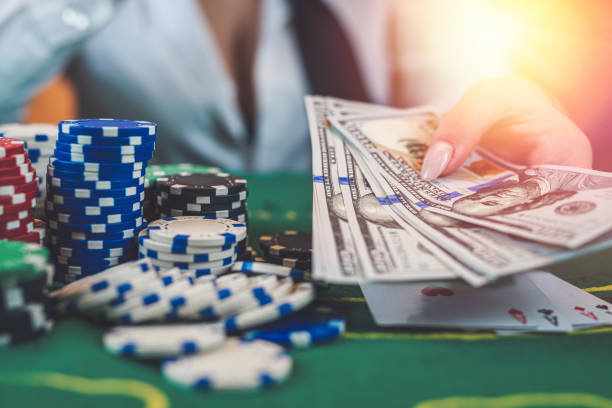
However, reliance on superstitions can have adverse effects too. Players may become overly dependent on these rituals, risking significant losses if things do not go their way. This can create a cycle of frustration and desperation, as individuals search for that elusive « lucky charm » to bring them success. Understanding the role of superstition in gambling can help players navigate their experiences, balancing enjoyment with realistic expectations regarding luck and winning.
The Science Behind Luck and Randomness
From a scientific perspective, luck can be understood through the lens of randomness and probability. Most casino games are designed with a house edge, ensuring that over time, the casino will retain a certain percentage of all bets placed. This mathematical certainty means that, while individual players may experience temporary wins, the overall outcome is governed by chance. Understanding these principles can help demystify the allure of luck in gambling.
Moreover, probability theory highlights that certain games may offer better odds than others. For instance, games like blackjack and poker involve an element of skill alongside luck, allowing knowledgeable players to influence outcomes through strategy. On the other hand, games like slots are purely based on random number generators, where luck is the only factor in determining wins. Recognizing the distinction between skill-based and luck-based games can lead to more informed decisions, reducing the reliance on superstition and focusing on strategic play.
Finally, cognitive biases often cloud players’ perceptions of luck. Gamblers are susceptible to the illusion of control, where they believe they can influence random outcomes through their actions. This misconception may lead to increased gambling and a misunderstanding of how luck truly operates in a casino. By approaching the concept of luck with a critical perspective grounded in science, players can engage in more rational gambling practices and enhance their overall experience while keeping expectations realistic.
The Emotional Aspect of Luck in Gambling
The emotional experience of gambling is deeply intertwined with the concept of luck. Players often experience a rollercoaster of emotions, from elation during a win to despair during a loss. This emotional fluctuation is often exacerbated by the unpredictable nature of luck. Winning streaks can create a sense of invincibility, while losing streaks may lead to feelings of hopelessness and frustration. This emotional engagement is a significant part of what makes the casino environment both thrilling and, at times, perilous.
Furthermore, social interactions within the casino can amplify emotional responses to luck. Players often share their experiences with others, celebrating wins and commiserating over losses. This communal aspect can create a shared belief in luck, reinforcing the idea that fortune is a palpable force influencing outcomes. As players engage with one another, they may inadvertently feed into collective superstitions and narratives that shape their gambling experiences.
Yet, emotions can also cloud judgment, leading to risky betting behaviors. Gamblers may chase losses or gamble beyond their means when driven by the hope of turning their luck around. This emotional rollercoaster can have real-life consequences, impacting financial stability and personal relationships. Understanding the emotional influence of luck in gambling can empower players to approach their experiences with greater mindfulness, allowing for a more balanced and enjoyable time at the casino.
Exploring Resources for Gamblers
As the conversation about luck and gambling continues to evolve, many resources are available for players seeking a deeper understanding of their experiences. Numerous organizations provide insights into responsible gambling, helping players recognize the impact of luck on their decision-making processes. These resources encourage a balanced approach, emphasizing the importance of understanding both the odds and personal emotions associated with playing.
Additionally, many websites offer educational materials and tools for players to enhance their gaming knowledge. These platforms can help individuals differentiate between luck-based and skill-based games, making informed decisions before placing bets. By fostering a greater understanding of how luck interacts with gambling, players can enjoy their experiences while minimizing potential negative outcomes.
Ultimately, the exploration of luck in the casino is an ongoing journey. By utilizing available resources and engaging with the broader gambling community, players can gain deeper insights into their experiences. Whether it’s through education, open dialogue, or support networks, understanding the dynamics of luck can lead to more rewarding and responsible gambling experiences. The conversation about luck is not just about winning or losing; it’s about enhancing the overall enjoyment and comprehension of the gaming world.